- Lanka, Hojai, Assam
- GST NO. : 18AKVPL6085F1ZI
biohorticulture0@gmail.com - View Mobile Number

| Business Type | Manufacturer, Exporter, Supplier, Trader |
| Soil Type | Alkaline Soil |
| Color | Green |
| Usage/Application | Plantation |
| Click to view more | |
Product Details
Botanical Name
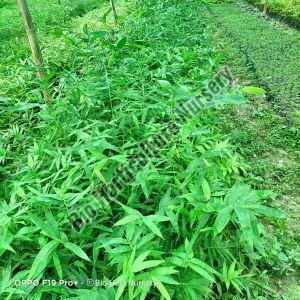
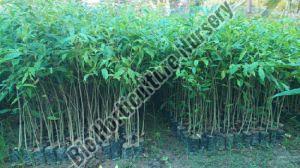
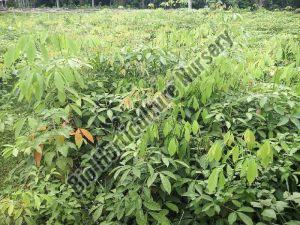
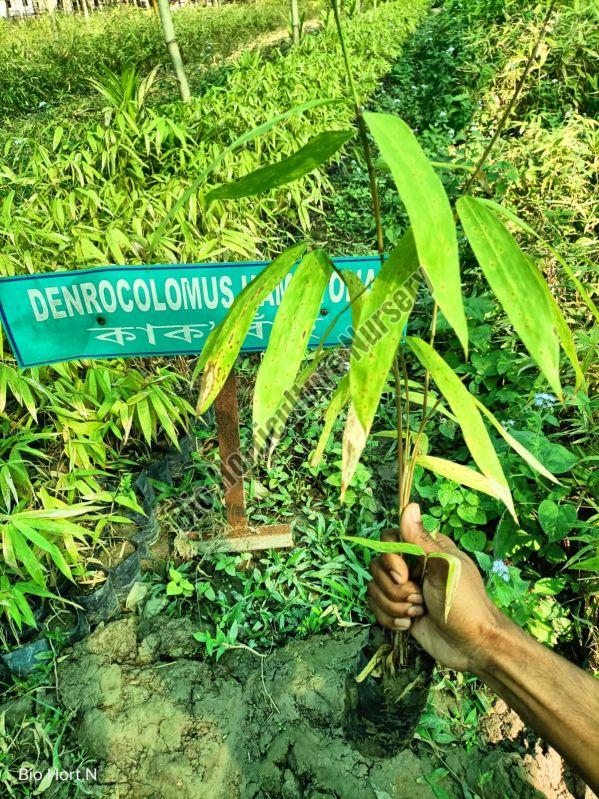
Dendrocalamus Himaltonii
Country of Origin
India
Other Necessities
Full Sun Exposure
Payment Terms
Other
Delivery Time
Immediate
Packaging Details
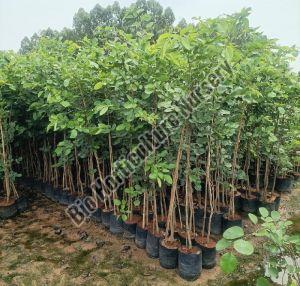
Polybags
Bamboo is a fast-growing, woody-stemmed perennial grass known for its rapid growth rate and diverse uses. It's a member of the grass family (Poaceae) and is characterized by its hollow, ringed stems (culms) and underground stems (rhizomes). Bamboos are found in various climates worldwide, with some species capable of growing up to 1 meter per day.
Here's a more detailed look:
Key Characteristics:
Rapid Growth:
Bamboo is celebrated as one of the fastest-growing plants on Earth, with some species capable of adding up to 1 meter in height per day during peak growth periods.
Woody Stems (Culms):
The stems of bamboo are called culms. They are typically hollow between the nodes (rings) and grow in branching clusters from the rhizomes.
Underground Stems (Rhizomes):
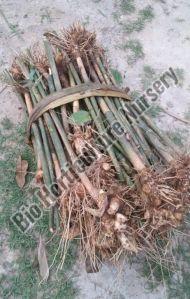
Bamboo spreads through rhizomes, which are underground stems that can be either clumping or running types.
Flowering:
While some bamboo species flower gregariously at long intervals (and then die), most species flower rarely.
Versatile Uses:
Bamboo is a valuable resource, used for construction, food, textiles, and more, due to its strength, flexibility, and rapid growth.
Types of Bamboo:
Clumping Bamboo:
These bamboos have rhizomes that grow in a circular pattern, staying close to the parent plant, resulting in a slower, more contained spread.
Running Bamboo:
These bamboos have rhizomes that spread out horizontally, potentially causing them to spread aggressively and become invasive.
Looking for "Bamboo Plant" ?
piece